

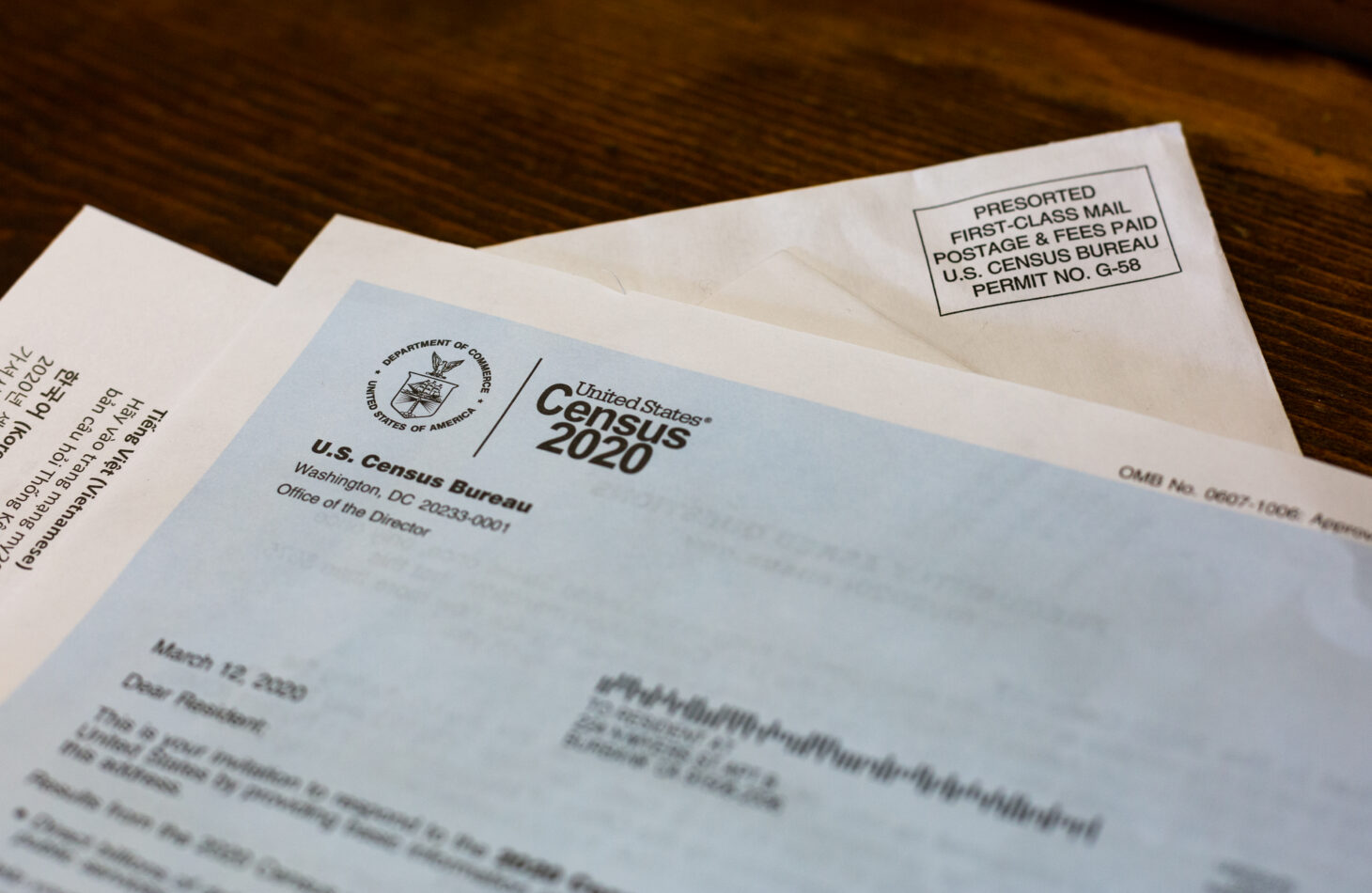
Executive Summary: Ending the Past Partisan Weaponization of the Census and Ensuring a Nonpartisan, Fair, and Transparent Process
The census has become a tool for shifting political power away from citizens. That trend can be reversed. If the reforms outlined below are adopted and every state draws its congressional maps to the full extent the law allows, the House of Representatives after the 2031 redistricting would sit at a ceiling of 261 Republicans to 174 Democrats, compared with 220 Republicans and 215 Democrats under the 2020 Census.

Primer: Ending the Past Partisan Weaponization of the Census and Ensuring a Nonpartisan, Fair, and Transparent Process
The Census Bureau recently proposed a rule that begins to make the same necessary corrections CRA supports by restoring meaning to residence, putting accuracy first, and limiting demographic questions that have increasingly burdened the constitutional count.
Can Congress Seat a Member-Elect Who Vows to Destroy our Constitution?
The November 2026 election could produce a member-elect of the House of Representatives who belongs to an organization and adheres to an ideology that has expressly advocated destroying significant components of the existing constitutional structure and who has personally acted to seek those ends.

Primer: Introducing the Campus Safety Tracker
The launch of the Campus Safety Tracker is designed to give citizens insight into the policies and political dynamics in the counties where these universities are located. Knowing the relative vulnerability of students to violent crime and illegal immigrant–driven chaos is an underappreciated but important data point when assessing whether a particular school is a good fit.